페투치네 알프레도
로마에서 탄생한 진짜 원조 알프레도. 크림은 한 방울도 넣지 않고 버터, 숙성이 짧은 파르미지아노 레지아노, 전분이 녹아든 면수, 이 세 가지만으로 만든 반질반질한 유화 소스입니다. 제대로 만들면 면 한 가닥 한 가닥을 실크처럼 감싸는데, 어떤 크림 소스보다 진하게 느껴지고 면이 삶아지는 시간이면 완성됩니다.
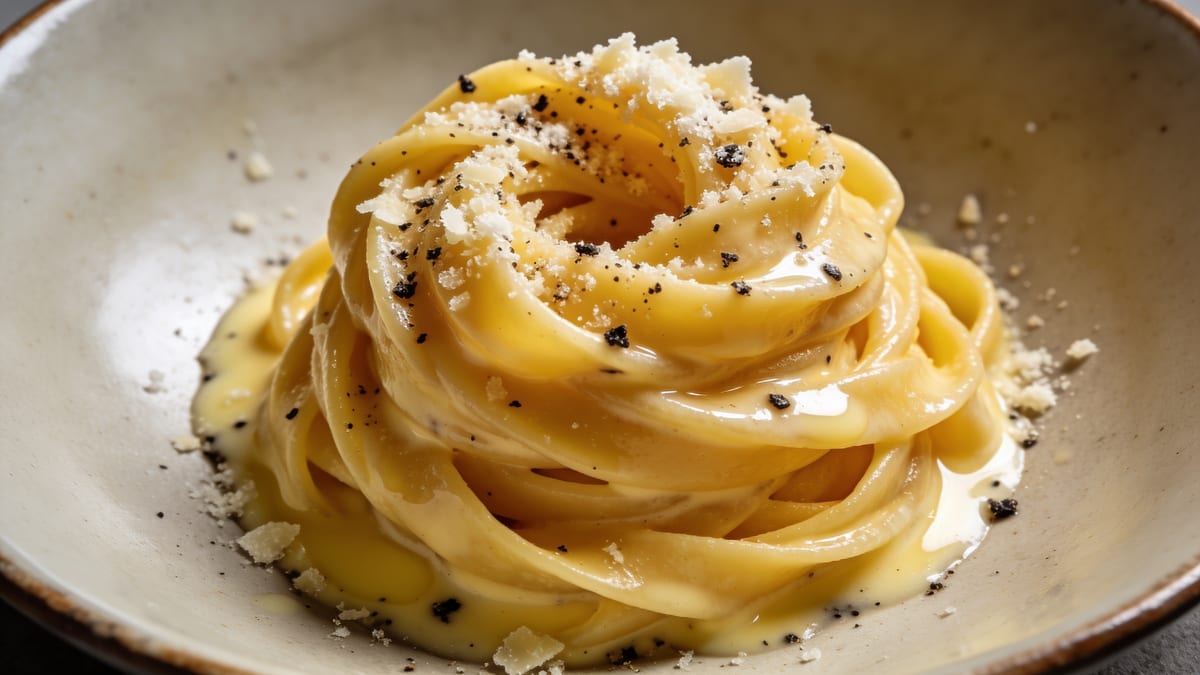
정통 페투치네 알프레도는 크림 소스가 아니라 유화 소스입니다. 생 달걀 페투치네를 알 덴테보다 살짝 덜 익게 삶고, 전분이 녹은 면수를 넉넉히 남겨 두세요. 불에서 팬을 내린 상태에서 뜨거운 면에 차가운 버터와 곱게 간 파르미지아노 레지아노를 넣고, 남겨 둔 면수를 조금씩 부어 가며 세게 버무립니다. 지방과 치즈, 전분이 하나로 엉겨 반질반질한 소스가 되어 모든 면을 코팅할 때까지요. 완성되면 바로 내세요. 알프레도는 아무도 기다려 주지 않습니다.
- 크림은 안 씁니다. 실크 같은 질감은 버터와 파르미지아노를 전분 면수와 유화시켜 만듭니다.
- 치즈를 넣기 전에 팬을 불에서 내려야 치즈가 실처럼 뭉치지 않고 크리미하게 녹습니다.
- 숙성 짧은(18개월) 파르미지아노 레지아노를 가루처럼 곱게 갈아 깔끔하게 퍼지도록 하세요.
Equipment
- 면 삶을 큰 냄비
- 넓은 스킬릿 또는 소테팬
- 마이크로플레인 또는 고운 강판
- 주방용 집게
- 내열 계량컵 또는 국자
- 주방용 저울
재료
면
- 500 g 생 달걀 페투치네, 가능하면 홈메이드, 건면도 됩니다. 400 g / 14 oz를 쓰고 봉지 안내대로 삶되, 면수는 꼭 남기세요
- 15 g 면 삶는 물에 넣을 고운 천일염, 물맛이 바닷물처럼 짜면 안 되고 은은한 국물 정도여야 합니다
유화 소스
- 115 g 무염 버터, 차가운 것으로 깍둑 썰기, 유럽식(고지방) 버터를 쓰면 가장 진한 맛이 납니다
- 120 g 숙성 짧은(약 18개월) 파르미지아노 레지아노, 곱게 간 것, 마이크로플레인으로 보슬보슬한 가루가 되게 갈고, 미리 채 썬 제품은 쓰지 말고 그때그때 신선하게 가세요
- 240 ml 남겨 둔 전분 면수, 다 쓰지 않을 수도 있으니 여유분을 곁에 두세요
- 갓 간 흑후추 또는 백후추, 선택이고 전통적이지는 않지만, 조금 넣으면 진한 맛을 또렷하게 잡아 줍니다
- 갓 간 넛맥, 아주 살짝만 갈아 넣기, 선택 사항
조리법
- 단계01
이 요리는 순식간에 진행되니 먼저 세팅부터 합니다. 파르미지아노 레지아노 120 g / 1 1/2 cups를 마이크로플레인으로 고운 가루가 되게 갈고, 차가운 버터 115 g / 8 Tbsp를 깍둑 썰어 두세요. 집게, 면수 담을 컵, 그리고 데워 둔 그릇을 손닿는 곳에 준비합니다. 그릇을 데우는 게 중요한데, 차가운 그릇은 소스를 식혀 광택을 잃게 만듭니다.
- 단계02
큰 냄비에 물 3~4 L(3~4 quarts)를 팔팔 끓이고 고운 천일염 15 g / 1 Tbsp를 넣습니다. 다른 파스타를 삶을 때보다 물을 살짝 적게 잡으세요. 생 달걀 페투치네는 물이 진하고 전분이 많아야 하는데, 그 전분이 소스의 절반이기 때문입니다.
- 단계03
페투치네를 넣고 저어 가닥을 풀어 줍니다. 생 달걀 페투치네는 금방 익어요. 물이 다시 끓어오르면 2~3분(건면이면 4~5분 더). 알 덴테보다 아주 살짝 덜 익었을 때 건지세요. 나머지는 소스 안에서 익습니다. 다 되기 1분쯤 전에 전분 면수를 최소 240 ml / 1 cup 국자로 떠서 따로 둡니다.
- 단계04
넓은 스킬릿의 불을 약불로 줄이거나 아예 불에서 내려 작업합니다. 깍둑 썬 버터와 남겨 둔 면수 약 120 ml / 1/2 cup을 넣고, 버터가 뿌옇게 유화된 상태로 녹아들 때까지 팬을 돌려 가며 섞으세요. 물과 지방이 우윳빛으로 하나가 되어야지, 위에 맑은 기름이 분리되어 뜨면 안 됩니다.
- 단계05
집게로 물기를 뺀 페투치네를 곧장 스킬릿으로 옮깁니다(면에 물기가 조금 묻어 있는 게 오히려 좋아요). 30~60초간 힘차게 버무려 모든 가닥에 소스를 입히고, 면의 열로 버터 유화액이 골고루 데워지게 하세요. 팬은 센 불에 올리지 마세요. 치즈를 넣을 때 모든 게 뜨겁되 지글거리지는 않아야 합니다.
- 단계06
팬을 완전히 불에서 내립니다. 간 파르미지아노를 두세 번에 나누어 넣고, 넣을 때마다 세게 버무리고 저어 주세요. 한 손엔 집게, 다른 손으론 팬을 흔들면서요. 치즈와 버터, 전분이 하나로 엉겨 면에서 소스가 얇게 흘러내리는 광택 소스가 되어야 합니다. 뻑뻑하거나 덩어리진다면 남겨 둔 면수를 한 큰술씩 더해 가며 실크처럼 풀릴 때까지 계속 버무리세요.
- 단계07
완성된 소스는 광택 있게 흘러내리면서 페투치네를 부드러운 크림 리본처럼 감싸야 합니다. 뻑뻑하면 뜨거운 면수를 한 번 더 끼얹으면 되고, 너무 묽으면 30초 더 버무려 조여 주세요. 원하면 후추를 조금 갈아 올리고 넛맥을 살짝 갈아 넣습니다. 데워 둔 그릇에 바로 담아 돌돌 감아 가며 곧장 드세요. 알프레도는 두면 못 삽니다.
Make ahead
미리 해 둘 게 거의 없고, 그게 바로 이 요리의 핵심입니다. 주문 즉시 만들도록 설계된 15분 요리니까요. 파르미지아노를 갈아 두고, 버터를 깍둑 썰어 두고, 소금을 계량해 두면 몇 시간 전부터 준비해 조립을 순식간에 끝낼 수 있습니다. 홈메이드 페투치네를 만든다면, 자른 면에 세몰리나를 뿌려 트레이에 담아 냉장고에서 몇 시간 두거나 말려서 보관하세요. 면을 미리 삶거나 소스를 미리 만들지는 마세요.
Storage
알프레도는 바로 먹어야 하는 요리입니다. 유화 소스가 예민해서 식으면 소스가 굳고 텁텁해집니다. 남은 것을 꼭 보관해야 한다면 밀폐 용기에 담아 냉장으로 최대 2일. 다시 데울 때는 스킬릿을 약불에 올리고 물이나 우유를 넉넉히 부어 끊임없이 버무리며 다시 유화시키세요. 전자레인지 강으로 돌리면 절대 안 됩니다. 치즈가 고무처럼 실이 되어 뭉칩니다.
Variations
알프레도 알라 판나(미국식 크림 버전)
대부분 사람들이 떠올리는 진하고 레스토랑스러운 버전입니다. 버터를 녹인 뒤 생크림 240 ml / 1 cup을 넣고 2~3분 끓여 살짝 졸인 다음, 불을 낮추고 물기 뺀 페투치네를 넣어 버무리고, 불에서 내려 파르미지아노로 마무리합니다. 크림 덕분에 훨씬 관대하고 안정적인, 잘 분리되지 않는 소스가 됩니다. 정통은 아니지만 여럿을 대접할 때 실패가 없어요.
치킨 알프레도
미국 식당의 클래식입니다. 닭 가슴살이나 다릿살에 간을 하고 74°C / 165°F까지 시어링한 뒤 휴지시키고, 저며서 완성된 파스타에 섞어 넣으세요. 소스는 본문대로(안정성을 원하면 크림 버전으로) 만들어야 추가된 단백질과 그 육즙 때문에 유화가 깨지지 않습니다.
완두콩과 레몬을 넣은 봄 알프레도
데친 생 완두콩이나 냉동 완두콩 150 g / 1 cup을 면과 함께 유화 소스에 넣고, 레몬 반 개 분량의 제스트로 마무리합니다. 산미와 단맛이 진한 맛을 잡아 주어 한결 가볍게 느껴집니다. 손으로 찢은 바질을 한 줌 얹으면 아주 좋아요.
Serve with
Nutrition per serving
Nutrition values are estimates based on the metric measurements. Adjust as needed.
자주 묻는 질문
정통 페투치네 알프레도에 크림이 들어가나요?
아니요. 정통 로마식 페투치네 알프레도에는 크림이 전혀 들어가지 않습니다. 1900년대 초 로마에서 알프레도 디 렐리오가 만든 원조는 생 달걀 페투치네, 버터, 파르미지아노 레지아노를 전분 면수로 유화시켜 광택 소스로 만든 것뿐입니다. 대부분 사람들이 아는 생크림 버전은 미국식 변형으로, 그 나름대로 맛있지만 엄연히 다른 요리입니다.
제 페투치네 알프레도가 왜 덩어리지거나 느끼해졌을까요?
원인은 두 가지, 온도와 치즈 품질입니다. 파르미지아노를 넣을 때 팬이 너무 뜨거우면 치즈가 실처럼 뭉치고 버터가 분리되어 느끼해집니다. 치즈는 반드시 직화에서 내린 상태로 넣고, 갓 간 것을 쓰며(고결방지 전분이 코팅된 채 썬 제품은 절대 금지), 뜨거운 면수를 끼얹으면서 세게 버무려 유화를 다시 살리세요.
생면 대신 건면 페투치네를 써도 되나요?
네. 생 달걀 페투치네가 전통적이고 가장 부드럽고 소스가 잘 어우러지지만, 좋은 건면 페투치네도 훌륭합니다. 4인분에 약 400 g / 14 oz를 쓰고, 봉지 안내대로 알 덴테보다 살짝 덜 익게 삶으세요. 건면은 생면보다 전분을 덜 내뿜으니 전분 면수를 여유 있게 남겨 두는 걸 잊지 마세요.
페투치네 알프레도에 가장 좋은 치즈는 무엇인가요?
진짜 파르미지아노 레지아노, 그중에서도 18개월쯤 된 비교적 젊은 치즈가 오래 숙성한 것보다 더 크리미하게 녹아 좋습니다. 마이크로플레인으로 신선하게 곱게 갈아야 즉시 골고루 퍼집니다. 미리 갈아 통에 담긴 제품이나 국내 '파마산'은 피하세요. 풍미도, 무엇보다 녹는 성질도 다릅니다.
소스가 분리되지 않게 하려면 어떻게 하나요?
유화 안정성은 세 가지가 함께 작동해야 나옵니다. 충분한 전분(면수를 너무 묽게 만들지 마세요), 적당한 온도(치즈를 넣을 땐 뜨겁되 절대 끓지 않게), 그리고 끊임없는 움직임(계속 버무리기)입니다. 분리되기 시작하면 불에서 내리고 뜨거운 면수를 조금 끼얹어 휘젓거나 버무려 다시 하나로 모으세요.
Cooked this? Rate it.
Real ratings from real cooks. We only show a score once enough of you have weighed in — no fabricated stars.