Gin and Tonic
The gin and tonic is Britain's definitive aperitif: piney, citrusy gin lengthened with bitter, quinine-laced tonic over a full glass of ice. Made properly it is ice-cold, brightly fizzy, and balanced between botanical and bitter rather than watery or flat. The method here leans on three details that matter — a chilled glass, a 1:3 gin-to-tonic ratio, and tonic from a freshly opened small bottle poured gently down the side to protect the bubbles.
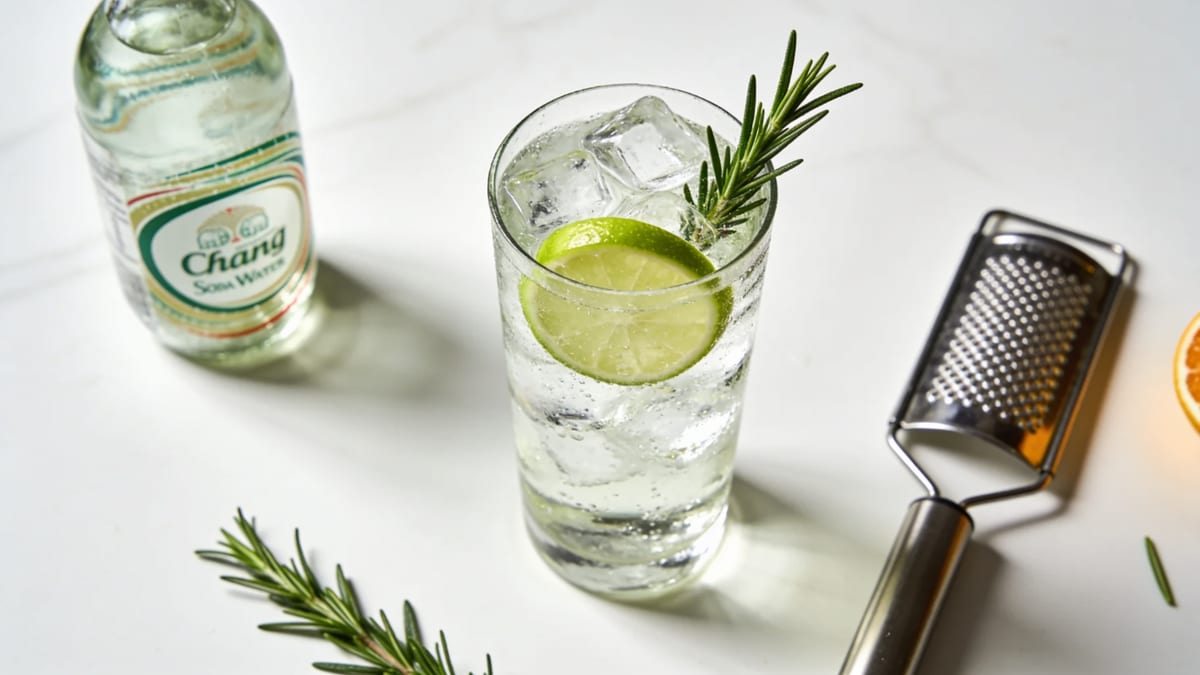
Chill a highball or copa glass (fill it with ice and a splash of water for 2 minutes while you cut a lime wedge and a thin wheel, then dump the water out), pack it to the rim with fresh large ice cubes, pour in 50 ml (1 3/4 fl oz) London dry gin and give it two or three quick stirs to chill, then tilt the glass and slowly pour 150 ml (5 fl oz) of ice-cold tonic water from a freshly opened small bottle down the inside wall to keep the carbonation. Give the drink one gentle lift with a bar spoon, squeeze the lime wedge over the top, drop it in, perch the lime wheel on the rim, and serve immediately.
- Fill the glass completely with large ice cubes — a full glass keeps the drink colder and actually dilutes it more slowly than two or three lonely cubes.
- Stick to a 1:3 gin-to-tonic ratio (50 ml gin to 150 ml tonic) and use a small, freshly opened bottle or can of tonic so the fizz is at its peak.
- Pour the tonic down the tilted inside of the glass and stir only once — aggressive pouring and stirring knock out the bubbles that carry the drink's aroma.
Equipment
- Highball or copa (balloon) glass
- Jigger or measuring spoons
- Bar spoon or long-handled spoon
- Paring knife or channel knife
- Cutting board
Ingredientes
Drink
- 50 ml London dry gin, a classic juniper-forward style works best
- 150 ml tonic water, well chilled, from a freshly opened small bottle or can
- large ice cubes, enough to fill the glass to the rim; add more if needed
Garnish
- fresh lime, cut into 1 wedge and 1 thin wheel
Preparação
- PASSO01
Fill a highball or copa glass with a few ice cubes and a splash of cold water. Set it aside to chill while you prepare the garnish — a cold glass keeps the finished drink fizzy and frosty far longer.
- PASSO02
On a cutting board, cut a plump wedge and a thin wheel from the lime half. If you like, run a channel knife along the peel first for a decorative twist. Set the garnish aside.
- PASSO03
Dump the chilling water and ice out of the glass, then fill it to the rim with fresh large ice cubes. Do not skimp: a full glass of ice melts more slowly than a half-full one, so the drink stays cold without turning watery.
- PASSO04
Measure 50 ml (1 3/4 fl oz) of London dry gin with a jigger and pour it over the ice. Stir two or three times with a bar spoon so the gin chills before the tonic goes in.
- PASSO05
Open a chilled small bottle or can of tonic water. Tilt the glass slightly and pour 150 ml (5 fl oz) slowly down the inside wall, or down the twisted stem of a bar spoon. This preserves the carbonation that lifts the gin's botanicals to your nose.
- PASSO06
Give the drink a single gentle lift from the bottom with the bar spoon — just enough to integrate the layers without flattening the fizz. Squeeze the lime wedge over the surface, drop it in, and perch the lime wheel on the rim.
- PASSO07
A gin and tonic waits for no one. Serve it straight away while the tonic is at maximum fizz, ideally alongside something salty like olives or roasted almonds.
Make ahead
For a party, do everything except the final pour: cut lime wedges and wheels up to 8 hours ahead and refrigerate them in a covered container, chill the glasses in the freezer for 15 minutes before guests arrive, and stash small bottles of tonic and the gin in the fridge. Then assembling each drink takes under a minute and every glass gets fresh bubbles.
Storage
A mixed gin and tonic does not store — the carbonation fades within 15 to 20 minutes, so pour only what you will drink now. Store the components instead: keep gin at room temperature (or in the freezer for extra-cold pours) where it lasts indefinitely, and keep unopened tonic in the fridge. Once a tonic bottle is opened, recap it tightly and use within a day; after that the fizz is gone.
Variations
Spanish Gin Tonica
Build the drink in a large copa (balloon) glass and treat the garnish as seasoning: add 3 lightly crushed juniper berries, a few pink peppercorns, and a wide strip of grapefruit peel with the pith trimmed away. The bowl shape traps the aromatics so every sip smells as good as it tastes.
Alcohol-free G&T
Swap the gin for 50 ml (1 3/4 fl oz) of a distilled non-alcoholic gin alternative and build the drink exactly the same way, garnishing with lime and a sprig of rosemary. Because zero-proof spirits are more delicate, nudge the ratio to 1:2 (50 ml to 100 ml tonic) so the botanicals are not drowned out.
Elderflower and cucumber G&T
Add 10 ml (2 tsp) elderflower liqueur along with the gin and swap the lime for two thin ribbons of cucumber pressed against the inside of the glass. This softer, floral version works especially well with cucumber-forward gins and makes a gentle introduction for tonic skeptics.
Serve with
Nutrition per serving
Nutrition values are estimates based on the metric measurements. Adjust as needed.
Perguntas frequentes
What is the best gin-to-tonic ratio?
This gin and tonic recipe uses 1:3 — 50 ml (1 3/4 fl oz) gin to 150 ml (5 fl oz) tonic — which keeps the gin's botanicals clearly present without the drink tasting boozy or, at the other extreme, like sweetened soda water. If you prefer a stronger drink, go to 1:2; much beyond 1:4 and most gins disappear behind the tonic's sweetness and bitterness.
Does the tonic water really matter that much?
Yes — tonic is three quarters of the drink, so it matters at least as much as the gin. Look for a tonic made with real quinine and a restrained amount of sugar, and buy small 150-200 ml bottles or cans rather than a large bottle, because tonic starts losing carbonation the moment it is opened. Flat tonic is the single most common reason a homemade G&T tastes dull.
Which gin should I use for a classic gin and tonic recipe?
A juniper-forward London dry style is the traditional choice and the most reliable: its piney, citrusy backbone stands up to tonic's bitterness. Contemporary or citrus-led gins also work well, in which case echo the gin's character in the garnish — grapefruit peel for a citrusy gin, cucumber for a softer one. Save very delicate or barrel-aged gins for sipping or martinis.
Lime, lemon, or cucumber — what's the right garnish?
Lime is the classic because its sharp acidity cuts the tonic's sweetness, and a quick squeeze of the wedge before dropping it in genuinely changes the flavor. Lemon gives a softer, more aromatic result, and cucumber suits floral gins. The garnish is the one place this drink invites personal taste, so match it to your gin rather than following a rule.
Is a gin and tonic gluten-free?
Generally yes. Although some gin is distilled from wheat or other grain, the distillation process removes gluten proteins, and regulators in most countries treat distilled spirits as gluten-free; tonic water and lime contain no gluten. That said, this recipe lists no dietary claims because it is an alcoholic drink — anyone with celiac disease who is concerned about a specific brand can choose a gin distilled from grapes or potatoes for complete peace of mind.
Cooked this? Rate it.
Real ratings from real cooks. We only show a score once enough of you have weighed in — no fabricated stars.