Shiro Wat — Ethiopian Spiced Chickpea Stew
The ultimate Ethiopian comfort food: a smooth, savoury stew made from shiro — finely milled, spiced chickpea (or broad bean) flour — simmered with onion, garlic, berbere and spiced butter into a rich, creamy, nourishing sauce. Shiro wat is everyday sustenance, fasting food (when made with oil), and a national favourite, scooped up with injera. Quick, humble and deeply flavourful, it proves that some of the best dishes are also the simplest.
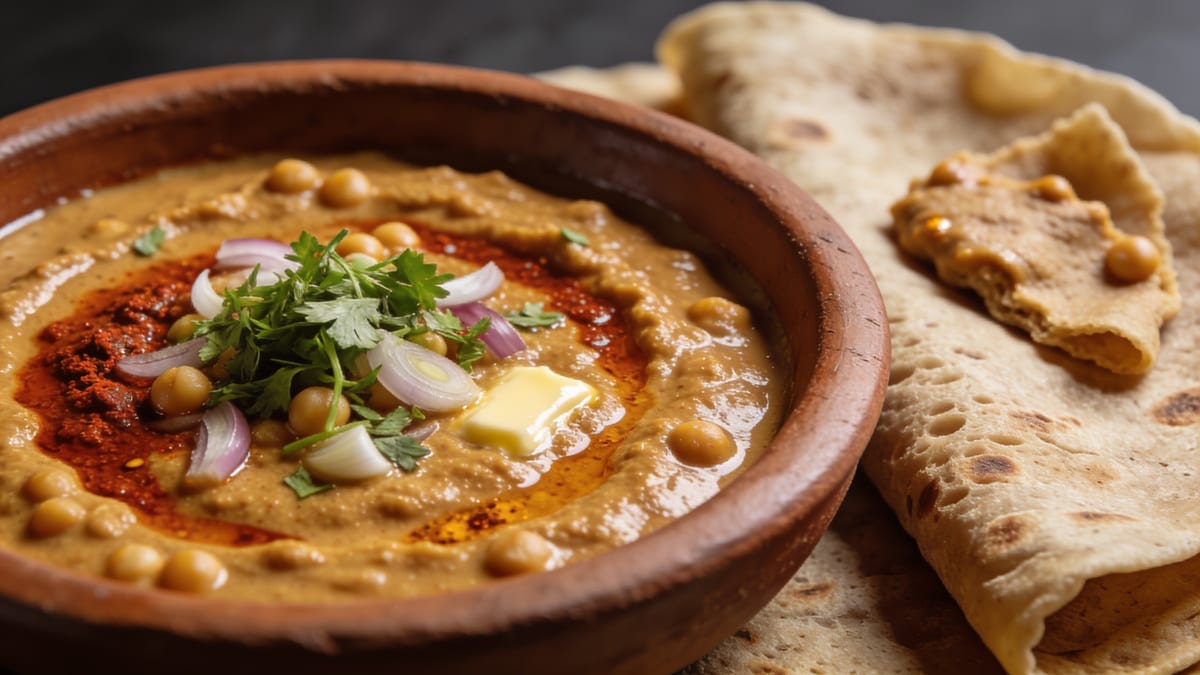
Cook finely chopped onion (and garlic) gently in oil or niter kibbeh until very soft, then stir in berbere and a little tomato and cook briefly. Add water and bring to a simmer, then gradually whisk in the shiro (chickpea-flour) powder, stirring constantly so it doesn't clump, until it thickens into a smooth, creamy stew. Simmer gently for 10–15 minutes, stirring, until cooked through and the raw-flour taste is gone, adjusting the consistency with water. Finish with a little spiced butter (or keep it oil-only for fasting/vegan) and serve hot with injera.
- Whisk the shiro flour gradually into the simmering liquid, stirring constantly, so it stays smooth and doesn't clump.
- Berbere is the key spice; a little spiced butter (niter kibbeh) makes it richer (skip it for vegan/fasting shiro).
- Simmer until the raw-flour taste is gone and adjust to a creamy, spoonable consistency.
Equipment
- Pot or saucepan
- Whisk
食材
Base
- 1 onion, very finely chopped
- 2 garlic cloves, minced; oil or niter kibbeh
- 1–2 tbsp berbere (Ethiopian spice blend), to taste
- 1 small tomato, chopped (optional)
Shiro
- 120 g shiro powder (spiced chickpea/bean flour)
- 750 ml water (plus more to adjust)
- Salt; a little niter kibbeh to finish (optional)
To serve
- Injera
- Optional: sliced chilli, fresh tomato
步驟
- 步驟01
Cook the very finely chopped onion (Ethiopian-style, often with no oil at first, then adding oil/niter kibbeh) over medium heat until very soft and golden — this base of soft onion is important. Add the garlic.
- 步驟02
Stir in the berbere (and chopped tomato if using) and cook a minute or two, stirring, until fragrant — don't let the spice burn.
- 步驟03
Pour in the water and bring to a simmer. Gradually sprinkle and whisk in the shiro powder, stirring or whisking constantly so it doesn't form lumps, until smooth and starting to thicken.
- 步驟04
Simmer gently, stirring often, for 10–15 minutes until the stew is creamy and thickened and the raw-flour taste is gone. Add water if it gets too thick — it should be smooth and spoonable. Season with salt.
- 步驟05
Swirl in a little niter kibbeh for richness (or leave it oil-only for vegan/fasting shiro). Serve hot, traditionally in a clay dish, with injera to scoop it up — and sliced chilli if you like heat.
Make ahead
Shiro is fast enough to make fresh, but you can cook it ahead and reheat (loosening with water, as it thickens). Keep shiro powder in the pantry and you can make a comforting stew in 30 minutes anytime. The onion base can be cooked ahead. Make or buy injera ahead.
Storage
Keeps 3 days refrigerated; it thickens as it cools, so loosen with a little water when reheating and stir until smooth and creamy again. The flavour is good the next day. It freezes acceptably. Shiro is quick to make fresh from the pantry powder, so many cook it to order. Warm injera to serve.
Variations
Bozena shiro
Add cooked minced meat to the shiro for a richer, non-fasting version.
Tegabino shiro
A thicker shiro served bubbling in a clay pot, often with a swirl of spiced butter and chilli on top.
Fasting/vegan
Made with oil instead of niter kibbeh, shiro is naturally vegan — a staple of Ethiopian Orthodox fasting days.
Serve with
Nutrition per serving
Nutrition values are estimates based on the metric measurements. Adjust as needed.
常見問題
What is shiro?
Shiro refers both to the finely milled flour made from roasted, spiced chickpeas (or broad beans/peas), and to the stew made from it. The flour is usually pre-spiced (with berbere, garlic, ginger and other seasonings) and sold ready to use at Ethiopian and many international grocers. Cooked into a smooth, creamy, savoury stew, shiro is one of the most beloved everyday dishes in Ethiopia and Eritrea.
How do I stop shiro from being lumpy?
Whisk the shiro powder gradually into the simmering liquid, stirring or whisking constantly as you add it, rather than dumping it in all at once. Adding it slowly to hot (not cold) liquid and keeping it moving prevents clumps. If lumps do form, keep whisking as it simmers and they'll usually smooth out; a quick blend can rescue a stubborn batch.
What is berbere?
Berbere is the foundational Ethiopian spice blend — a complex, warming red mix of chilli with garlic, ginger, fenugreek, and warm spices like cardamom, clove and allspice. It gives shiro (and most Ethiopian wats) its characteristic colour, depth and gentle heat. Many shiro powders already contain berbere; if yours is plain, add berbere to taste while cooking the onion base.
Is shiro vegan?
It can be — and often is. Shiro made with oil instead of niter kibbeh (spiced clarified butter) is fully vegan, and it's a staple during the frequent fasting periods of the Ethiopian Orthodox calendar, when animal products are avoided. The chickpea-flour base is naturally plant-based and gluten-free. For a richer, non-fasting version, niter kibbeh (or added meat, as bozena shiro) is used.
How do you eat shiro?
With injera — the spongy Ethiopian sourdough flatbread that serves as plate and utensil. Shiro is spooned onto or served alongside injera, and you tear off pieces of the bread to scoop up the creamy stew, no cutlery needed. It's often part of a shared platter with other wats and vegetables, and a little extra chilli or fresh tomato on the side is common.
Cooked this? Rate it.
Real ratings from real cooks. We only show a score once enough of you have weighed in — no fabricated stars.