Akira Tanaka
Akira Tanaka is one of inspirecipe's regional editorial personas (Tokyo) — not a real person. inspirecipe recipes and photos are created with AI assistance: structured, with metric and US measurements, full step-by-step instructions, and no fabricated ratings.
Recipes by Akira
-
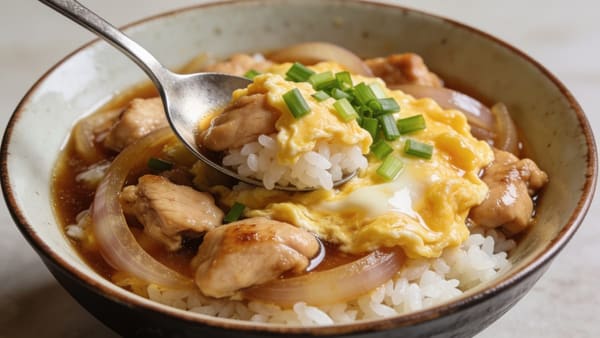
Oyakodon — Nasi Mangkuk Ayam Telur
Chicken thigh and onion simmered in dashi-soy-mirin until tender, finished with just-set scrambled egg, spooned over hot short-grain rice. Fifteen minutes, deeply comforting.
japaneserice-bowlweeknight -
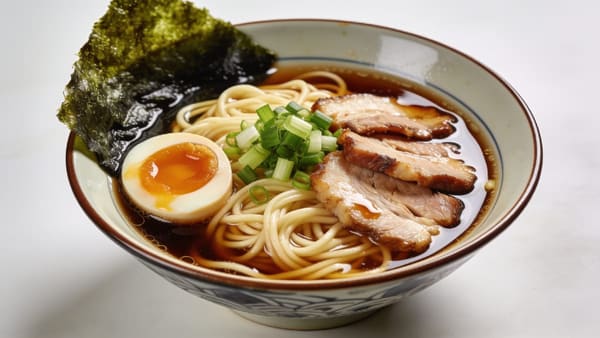
Shoyu Ramen — Mi Kuah Kecap ala Jepang
A clear, savory chicken-and-dashi broth seasoned with a soy-based tare, ladled over springy ramen noodles and topped with chashu pork, a jammy marinated egg, scallion, and nori. A weeknight-feasible bowl built on real technique.
japanesenoodle-soupweekend -
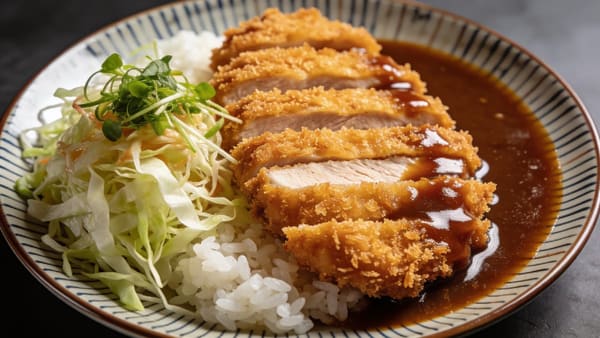
Tonkatsu — Katsu Babi Renyah ala Jepang
Japan's beloved pork cutlet: a thick loin coated in airy panko and fried to a deep gold that shatters at the bite, sliced and served with shredded cabbage, rice, and tangy tonkatsu sauce.
japanesefriedweeknight -
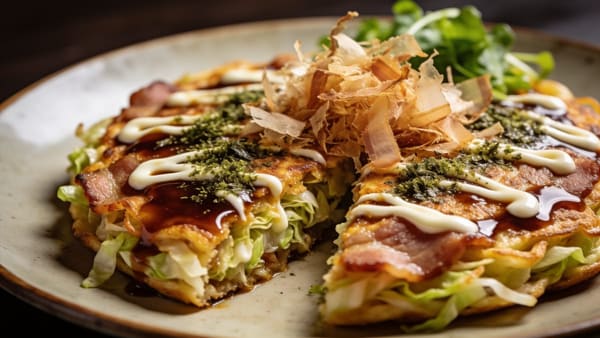
Okonomiyaki — panekuk gurih khas Osaka
Osaka's beloved 'grill what you like' pancake: a batter loosened with dashi, packed with shredded cabbage, griddled with pork belly until golden, then lacquered with sweet-savoury okonomiyaki sauce and mayo and finished with dancing bonito flakes and aonori. Crisp outside, soft and cabbage-sweet within.
japanesestreet-foodcabbage -
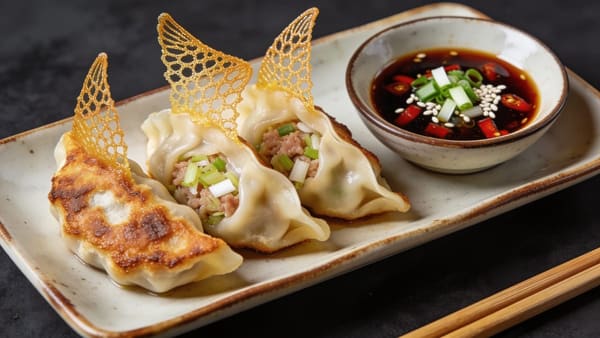
Gyoza — pangsit goreng-kukus ala Jepang
Japan's beloved dumplings: thin wrappers stuffed with juicy pork and finely chopped cabbage, garlic, ginger and nira, then cooked the yaki-gyoza way — fried crisp on the bottom, steamed soft on top, finished with a lacy golden 'wing'. Served with a punchy soy-vinegar-chilli oil dip.
japanesedumplingspork -
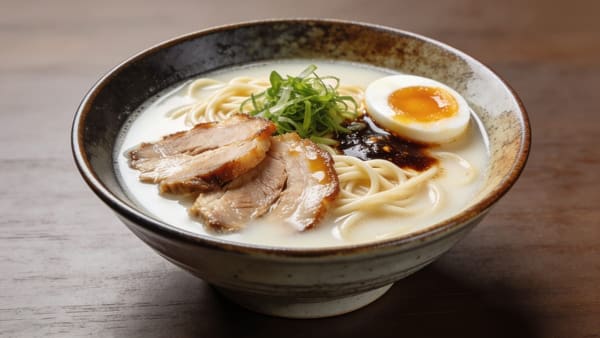
Tonkotsu Ramen — ramen kuah tulang babi pekat
The rich, milky-white ramen of Fukuoka: pork bones boiled hard for hours until the broth turns opaque, collagen-thick and deeply savoury. Served with springy thin noodles, melting chāshū pork, a jammy marinated egg and a tare seasoning base. It's a project — but a bowl of real tonkotsu is one of the great pleasures of the noodle world.
japanesesoupnoodles -
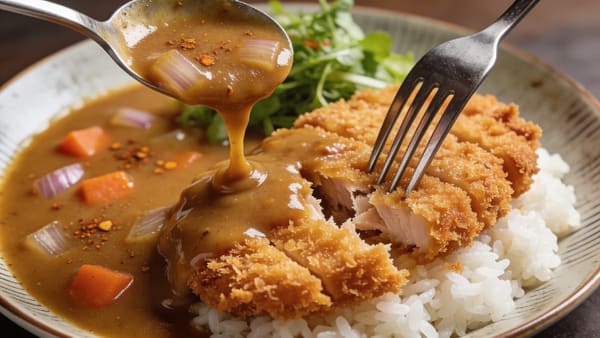
Katsu Curry — kari Jepang dengan katsu renyah
Japan's ultimate comfort plate: a thick, mild, slightly sweet curry sauce ladled over rice and a crisp panko-crumbed cutlet (katsu). The sauce is built on a roux with onion, carrot and warm curry spices; the katsu shatters under the fork. Endlessly popular in Japanese homes and diners — and far better than the instant-cube shortcut.
japanesecomfort-foodweeknight -
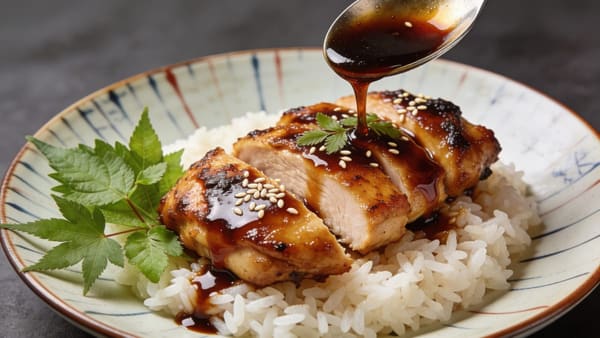
Teriyaki Chicken — ayam glasir teriyaki khas Jepang
The real Japanese teriyaki: chicken thigh pan-seared until the skin is crisp, then glazed in a simple homemade sauce of soy, mirin, sake and sugar that reduces to a glossy, sticky lacquer ('teri' means shine). Far brighter and less cloying than the bottled stuff — and on the table in 20 minutes, sliced over rice with the pan sauce spooned over.
japanesechickenweeknight -
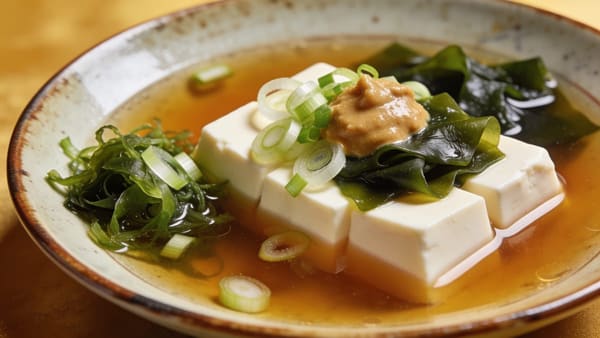
Miso Soup — sup miso khas Jepang
The soul of the Japanese table: a clear dashi broth whisked with miso paste and dotted with silken tofu, wakame seaweed and spring onion. Ready in 10 minutes, it's the everyday soup served with almost every Japanese meal — and the golden rule is to never boil it once the miso goes in, so the aroma and gut-friendly cultures stay alive.
japanesesoupquick -
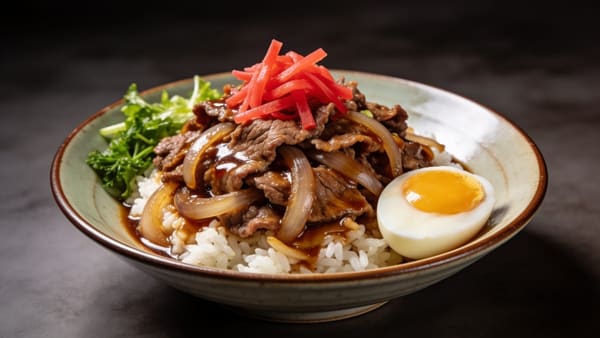
Gyūdon — nasi mangkuk daging sapi khas Jepang
Japan's fast-food favourite, made at home in 15 minutes: paper-thin beef and sweet onions simmered in a savoury-sweet dashi, soy, mirin and sake sauce, then piled over a bowl of hot rice. Comforting, quick and deeply satisfying — often topped with pickled red ginger and a soft or raw egg. The beloved beef bowl of Yoshinoya and countless home kitchens.
japanesebeefrice-bowl -
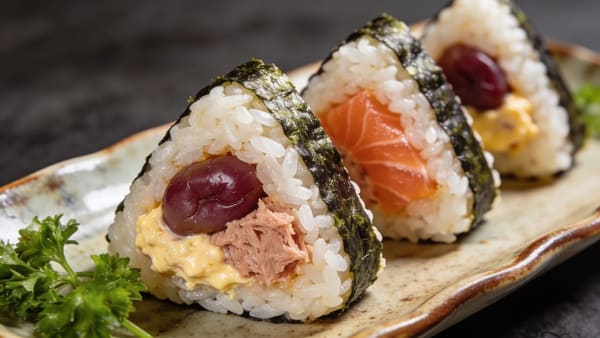
Onigiri — bola nasi khas Jepang
Japan's perfect handheld snack: warm short-grain rice shaped into a triangle around a savoury filling, wrapped in a strip of crisp nori. From umeboshi to salmon to tuna-mayo, onigiri is the lunchbox, picnic and convenience-store staple of Japan — humble, portable and endlessly comforting. The whole trick is the right rice, lightly salted hands, and a gentle, firm shaping.
japanesericelunchbox -
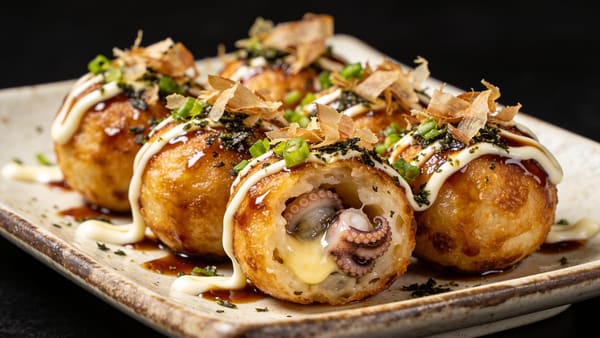
Takoyaki — bola gurita khas Jepang
Osaka's most famous street snack: a savoury batter cooked in a special dimpled pan, each ball hiding a nugget of octopus, then turned with picks into crisp-outside, molten-inside spheres. Brushed with takoyaki sauce and Japanese mayo, showered with aonori and dancing bonito flakes, takoyaki is hot, gooey, theatrical fun — best eaten straight off the griddle (and blown on first).
japanesestreet-foodsnack -
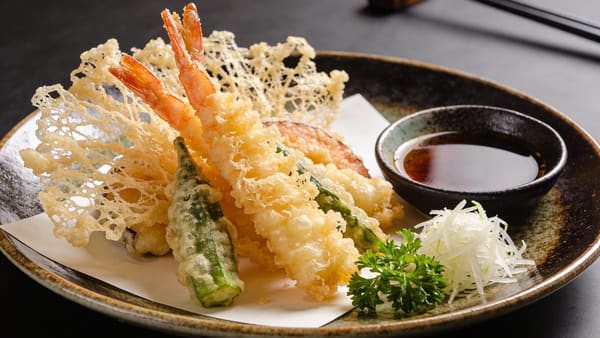
Tempura — gorengan tepung ringan khas Jepang
Japan's art of the light fry: prawns and vegetables coated in a barely-mixed, ice-cold batter and fried briefly in hot oil until the coating is pale, lacy and shatteringly crisp — never heavy or greasy. The secret is in what you DON'T do: minimal mixing, cold batter, hot oil. Served immediately with a dipping sauce of dashi, soy and mirin (tentsuyu) and grated daikon, tempura is delicate, crisp and endlessly satisfying.
japaneseseafoodfried -
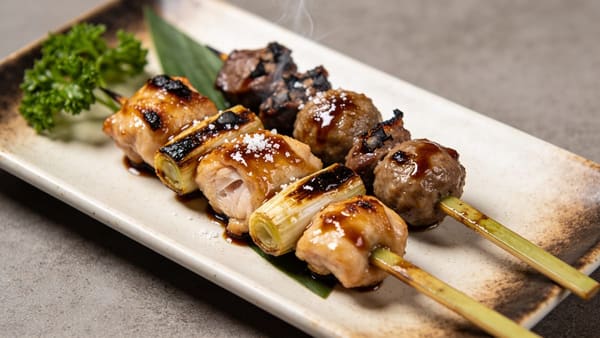
Yakitori — sate ayam bakar khas Jepang
Japan's beloved izakaya skewer: bite-size pieces of chicken (and every part of it — thigh, skin, meatball, liver) threaded onto bamboo and grilled over hot coals, brushed with a glossy sweet-savoury tare glaze or simply seasoned with salt. Yakitori is smoky, charred-at-the-edges, and made for sharing over cold beer. The magic is high, direct heat, repeated dips in the tare, and not overcooking the juicy thigh.
japanesechickengrill -
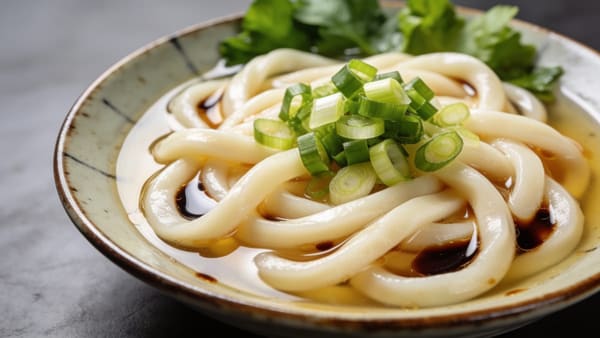
Kake Udon — sup mi udon khas Jepang
The soul-soothing simplicity of Japanese noodle soup: thick, chewy, slippery udon noodles in a clear, light, savoury dashi broth seasoned with soy and mirin, topped with little more than sliced spring onion. Kake udon is comfort distilled — the broth and the bouncy noodles are everything, so the quality of the dashi matters. It's quick, warming and endlessly customisable, the base for countless toppings from tempura to a soft poached egg.
japanesenoodlessoup -
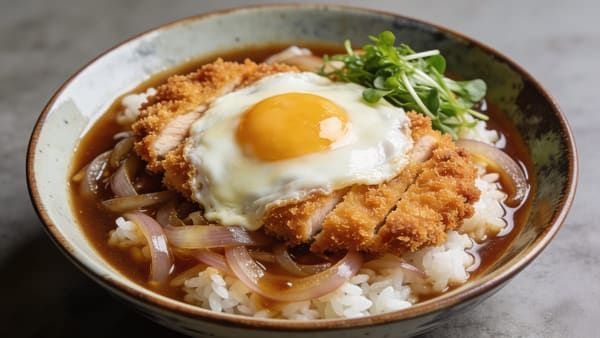
Katsudon — rice bowl katsu babi & telur khas Jepang
Japan's ultimate comfort bowl: a crisp panko pork cutlet (tonkatsu) simmered briefly with sliced onion in a sweet-savoury dashi-soy-mirin broth, blanketed in just-set egg, and slid over a bowl of hot rice. Katsudon is the donburi that students eat the night before exams (its name puns on 'katsu', to win) and a staple of every Japanese diner. The magic is in the contrast — the crunchy cutlet softening into silky egg and savoury broth over fluffy rice. It comes together in minutes once the cutlet is fried.
japaneseporkrice bowl -
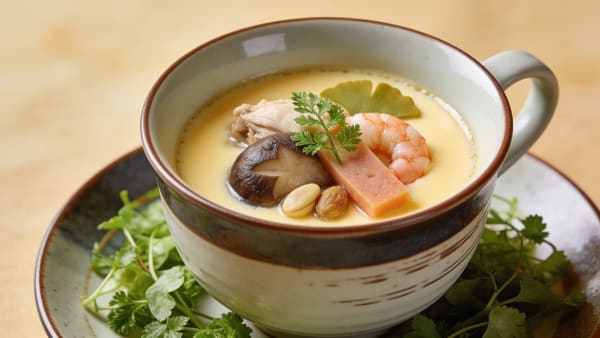
Chawanmushi — puding telur kukus gurih khas Jepang
An elegant, savoury egg custard from Japan, steamed in a cup and eaten with a spoon: dashi whisked with egg into a silky, just-set custard hiding little treasures — a piece of chicken, a prawn, a slice of shiitake, ginkgo nuts, a sliver of kamaboko — finished with fragrant mitsuba. Chawanmushi (literally 'tea-cup steamed') is unique among custards for being umami-rich and unsweetened, served warm as a starter or alongside a Japanese meal. Smooth as silk when done right, it's all about the ratio of dashi to egg and a gentle, low steam.
japaneseeggsteamed -
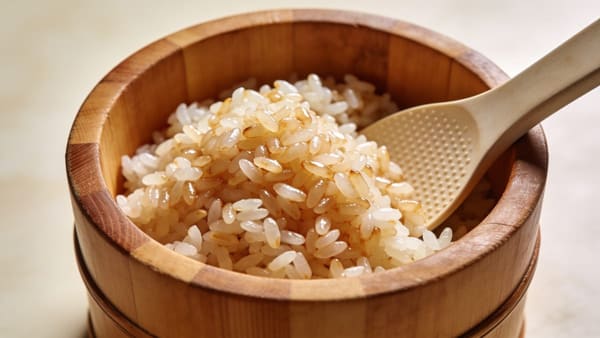
Nasi Sushi Sempurna (Shari)
Short-grain Japanese rice cooked firm, then folded through with a warm rice-vinegar seasoning and fanned to a glossy, room-temperature shine. The result is seasoned, separate grains that hold their shape yet melt on the tongue — the foundation every sushi bar is built on.
japanesesushirice -
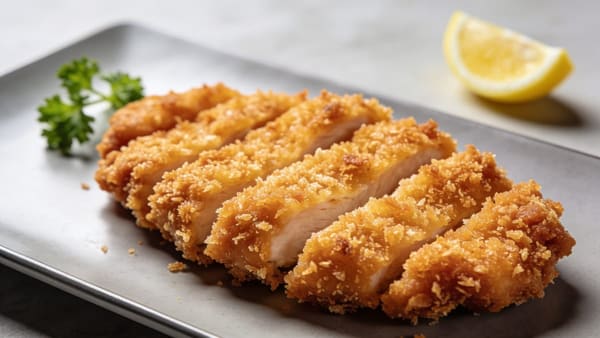
Katsu Ayam
Chicken katsu is the Japanese take on a breaded, deep-fried cutlet: chicken breast pounded thin, coated in airy panko, and fried until shatteringly crisp and deep golden. The crust stays light and craggy rather than dense while the meat inside stays juicy, and a tangy-sweet tonkatsu sauce ties it all together. Butterflying the breast into thin cutlets is the key move, because it lets the chicken cook through in the few minutes it takes the panko to turn a rich gold.
japanesemain-coursefried -
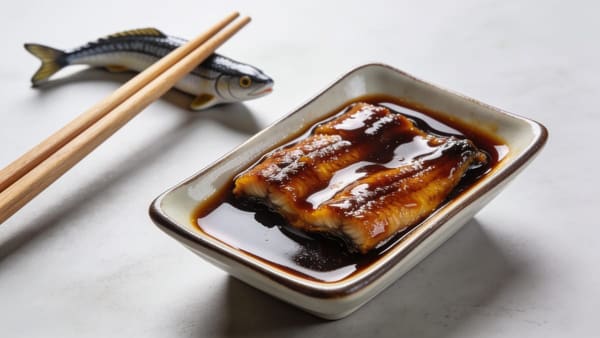
Saus Unagi (Saus Belut)
Eel sauce, or unagi no tare, is Japan's glossy sweet-savory glaze built from just soy sauce, mirin, sake, and sugar simmered down to a pourable syrup, and despite the name there is no eel in it at all. Slow reduction concentrates the salt and dark-caramel sweetness so the sauce clings to grilled eel, sushi rolls, and rice without any thickeners. Cooking the alcohol off first and letting the sauce cool is what tells you exactly how thick it will set.
japanesesaucecondiment -
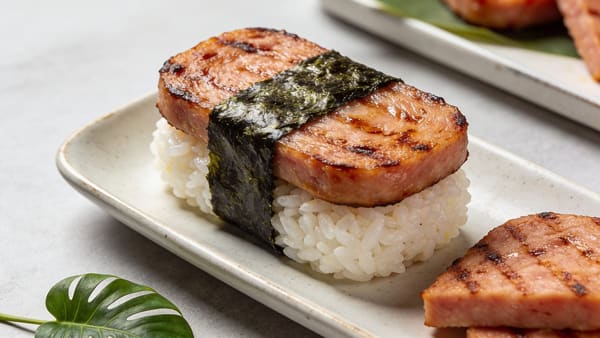
Spam Musubi
Spam musubi is Hawaii's ultimate grab-and-go snack: a warm block of sticky short-grain rice topped with a slice of teriyaki-glazed Spam and belted with a strip of nori. Pan-frying the Spam until the edges caramelize, then glazing it in a quick soy-mirin sauce, gives salty-sweet savory bites with a slightly crisp edge against the soft rice. Pressing everything in a mold while the rice is still warm is the trick that makes each piece hold together neatly enough to wrap and take anywhere.
hawaiianjapanesesnack -
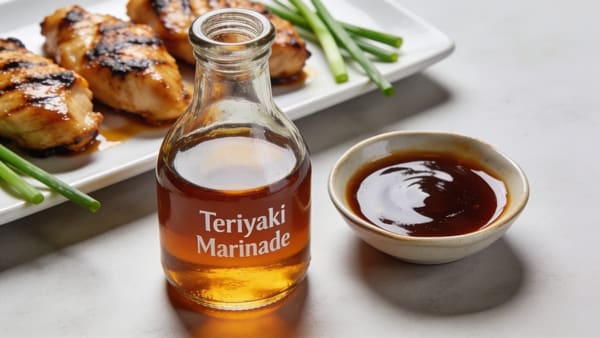
Marinasi dan Saus Teriyaki
A double-duty Japanese teriyaki built from one pot: soy sauce, mirin, sake, and brown sugar simmered with fresh ginger and garlic, then split in two. Half stays thin and salty-sweet for soaking into chicken, salmon, or tofu; the other half gets a quick cornstarch slurry and turns into a glossy, spoon-coating glaze. Simmering first dissolves the sugar, mellows the raw garlic, and cooks off the alcohol's sharp edge, so both halves taste balanced rather than boozy or harsh.
japanesecondimentmarinade -
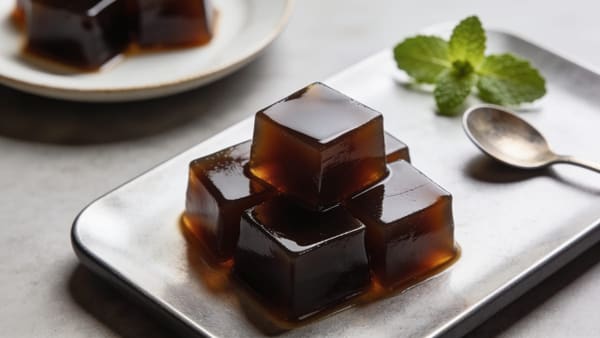
Puding Kopi (Coffee Jelly)
Coffee jelly is the beloved Japanese kissaten dessert: glossy, wobbly cubes of lightly sweetened coffee gelatin served under a cloud of softly whipped cream. Because the coffee is never boiled after the gelatin goes in, the cubes set crystal-clear with a clean, bittersweet espresso-like flavor instead of a dull, stewed one. It takes about 15 minutes of hands-on work — the refrigerator does the rest.
japanese-dessertno-bakemake-ahead -
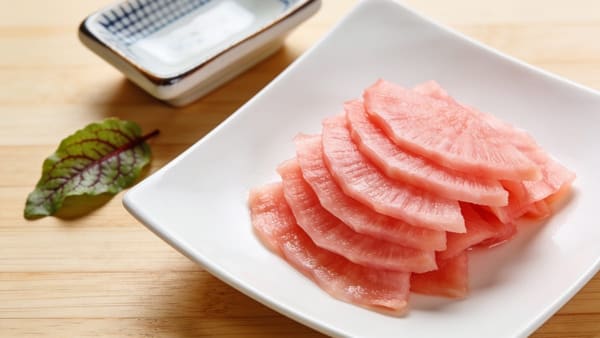
Acar Jahe Jepang (Gari)
Gari is the pale-pink pickled ginger served alongside sushi — paper-thin ginger slices steeped in a sweet-tart rice vinegar brine until they turn crisp-tender and refreshing. Salting the slices first draws out moisture so they stay snappy, and a quick blanch tames the raw burn while leaving plenty of clean heat. Made with young ginger it blushes pink on its own; with mature ginger you get the same bright flavor in a golden hue.
japaneseside-dishcondiment