Sauce Béchamel Classique
This is the French mother sauce every home cook should have in their back pocket: butter and flour cooked into a gentle roux, then whisked with warm milk into a silky, pourable béchamel. It tastes clean and creamy with a whisper of nutmeg, and it clings beautifully to pasta, vegetables, and gratins. Warming the milk first and adding it in stages is what guarantees a lump-free sauce without any straining.
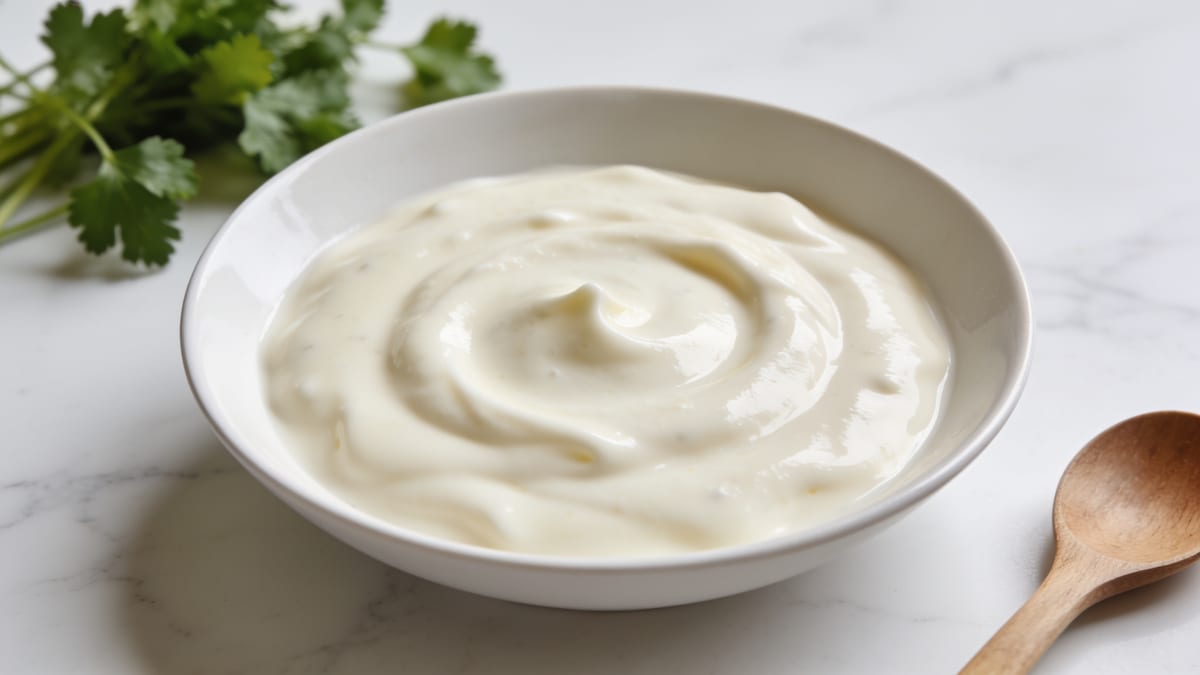
Warm 480 ml (2 cups) whole milk in a small pot until steaming, not boiling. In a medium saucepan over medium heat, melt 56 g (4 tbsp) unsalted butter, whisk in 30 g (4 tbsp) all-purpose flour, and cook the paste for about 2 minutes so it smells lightly toasty but stays pale. Off the heat, whisk in the warm milk in three additions, whisking each one smooth before the next. Return the pan to medium heat and simmer gently for 5 to 7 minutes, whisking often, until the sauce coats the back of a spoon. Season with 1/2 tsp fine salt, a pinch of white pepper, and a small grating of nutmeg, then use immediately or press plastic wrap onto the surface to prevent a skin.
- Cook the roux a full 2 minutes before any milk goes in — this removes the raw flour taste without adding color.
- Add warm milk in stages and whisk hard into the corners of the pan; that combination is what keeps the sauce lump-free.
- Simmer at least 5 minutes after thickening so the starch finishes cooking and the sauce turns glossy instead of pasty.
Equipment
- Medium heavy-bottomed saucepan
- Small saucepan or microwave-safe jug (for warming milk)
- Balloon whisk
- Measuring cups and spoons or kitchen scale
- Silicone spatula
- Fine-mesh sieve (optional, for rescue duty)
Ingrédients
White Sauce
- 56 g unsalted butter
- 30 g all-purpose flour, spooned and leveled
- 480 ml whole milk, warmed until steaming
- 3 g fine sea salt, plus more to taste
- 0.5 g ground white pepper, black pepper works but leaves specks
- 0.2 g freshly grated nutmeg, optional but classic
Optional Milk Infusion
- bay leaf
- small shallot, halved, or a thick slice of onion
- whole clove, pressed into the shallot
Préparation
- ÉTAPE01
Pour the milk into a small saucepan and set it over medium-low heat until it steams, about 3 minutes; do not let it boil. For a more aromatic sauce, add the bay leaf, shallot, and clove, pull the pan off the heat, and let it sit for 10 minutes before straining out the solids. Warm milk blends into the roux far more smoothly than cold milk straight from the fridge.
- ÉTAPE02
Set a medium heavy-bottomed saucepan over medium heat and melt the butter until it foams gently. Do not let it brown — you want a white sauce, so the butter should stay pale gold at most.
- ÉTAPE03
Sprinkle the flour over the melted butter and whisk immediately into a smooth, loose paste. Cook, whisking constantly, for about 2 minutes. The roux will bubble and smell faintly of baked pastry; pull back the heat if it starts to color. This step cooks out the raw flour flavor.
- ÉTAPE04
Take the pan off the heat. Add about a third of the warm milk and whisk vigorously until completely smooth — it will seize into a thick paste at first, which is normal. Whisk in the remaining milk in two more additions, making sure each is fully incorporated and lump-free before adding the next. Reach into the corners of the pan with the whisk.
- ÉTAPE05
Return the pan to medium heat and bring the sauce to a bare simmer, whisking often. Once it starts to bubble lazily, reduce the heat to low and cook for 5 to 7 minutes, whisking every 30 seconds or so and scraping the bottom with a spatula. The sauce is ready when it is glossy and coats the back of a spoon — drag a finger through it and the line should hold.
- ÉTAPE06
Off the heat, whisk in the salt, white pepper, and nutmeg, then taste and adjust. If the sauce is thicker than you like, whisk in warm milk a tablespoon at a time; if too thin, simmer a minute or two longer. It will also thicken slightly as it cools.
- ÉTAPE07
Use the sauce right away, or press a piece of plastic wrap or parchment directly onto the surface to stop a skin from forming and keep it in a warm spot for up to 30 minutes. Whisk briefly before serving.
Make ahead
You can make the sauce up to 3 days ahead and reheat it with a little extra milk, or prepare just the roux: cook the butter and flour, cool, and refrigerate for up to a week (or freeze in cubes). Whisk warm milk into the cold roux over medium heat whenever you need fresh sauce in under 10 minutes.
Storage
Cool completely, then refrigerate in an airtight container with plastic wrap pressed against the surface for up to 3 days. Reheat gently in a saucepan over low heat, whisking constantly and loosening with a splash of milk until smooth and pourable. Freezing is possible for up to 1 month, but the texture can turn slightly grainy; whisk hard while reheating to bring it back together.
Variations
Mornay (cheese sauce)
Off the heat, whisk 100 g (1 cup) grated Gruyère or sharp cheddar plus 25 g (1/4 cup) Parmesan into the finished sauce until melted. Do not boil after adding cheese or it can turn grainy. Perfect for mac and cheese, croque monsieur, or cauliflower gratin.
Gluten-free and dairy-free
Swap the flour for an equal weight of a 1:1 gluten-free blend or use 20 g (2 tbsp) cornstarch slurried into the cold milk instead of a roux. For dairy-free, use olive oil or vegan butter and unsweetened oat or soy milk; oat milk gives the creamiest result.
Soubise-style onion sauce
Sweat 150 g (1 cup) finely chopped onion in the butter over low heat for 8 to 10 minutes until translucent before adding the flour. Blend the finished sauce smooth for a sweet, savory sauce that is superb with roast chicken or steamed leeks.
Serve with
Nutrition per serving
Nutrition values are estimates based on the metric measurements. Adjust as needed.
Questions fréquentes
Why did my white sauce turn out lumpy, and can I fix it?
Lumps form when milk hits the roux faster than you can whisk it smooth, or when cold milk chills the roux into clumps. Add warm milk in three additions, whisking each fully smooth before the next. If lumps still appear, whisk hard off the heat or pour the sauce through a fine-mesh sieve — it will be indistinguishable from a perfect batch.
What ratio should a basic white sauce recipe use?
A reliable white sauce recipe uses equal weights of butter and flour cooked into a roux, then milk whisked in. For a medium sauce that coats pasta and vegetables, use about 30 g flour and 56 g butter per 480 ml milk, as written here. Halve the roux for a thin, soup-base consistency, or increase it by half for a thick soufflé or croquette base.
Can I use low-fat or plant-based milk?
Yes. Two-percent milk works with only a slight loss of richness; skim tastes noticeably thin, so add an extra teaspoon of butter at the end if that is all you have. Among plant milks, unsweetened oat milk behaves most like dairy. Avoid sweetened or vanilla-flavored milks, which clash with savory dishes.
What is the difference between white sauce and béchamel?
They are essentially the same thing: béchamel is the French name for milk thickened with a white roux, and it is one of the five classical mother sauces. Some traditional béchamels infuse the milk with onion, bay, and clove first, which this recipe offers as an option. Once you know one, you know the other.
Why does my sauce taste like raw flour?
The roux was not cooked long enough, or the sauce came off the heat the moment it thickened. Cook the butter and flour for a full 2 minutes before adding milk, and always simmer the finished sauce at least 5 minutes. That extra simmering fully gelatinizes the starch, which is what turns a pasty sauce silky.
Cooked this? Rate it.
Real ratings from real cooks. We only show a score once enough of you have weighed in — no fabricated stars.