キッベ
しばしばレヴァント地方の国民食と称されるキッベは、手間を惜しまない愛情の一品だ。ブルグル小麦と赤身肉(玉ねぎと温かみのあるスパイスを合わせたもの)を細かなペーストにし、魚雷のような殻に成形して、スパイスの効いた挽き肉、香ばしく炒った松の実、玉ねぎの詰めものを包み、深いきつね色にカリッと揚げる。中のスパイシーな詰めものはジューシーなまま。シリアやレバノンからイラクまで、キッベは揚げる、トレイで焼く、生でと、何十もの形で登場するが、詰めものをした揚げたての魚雷型こそが花形であり、祝いの席の主役、そしてどの家庭の作り手にとっても誇りだ。
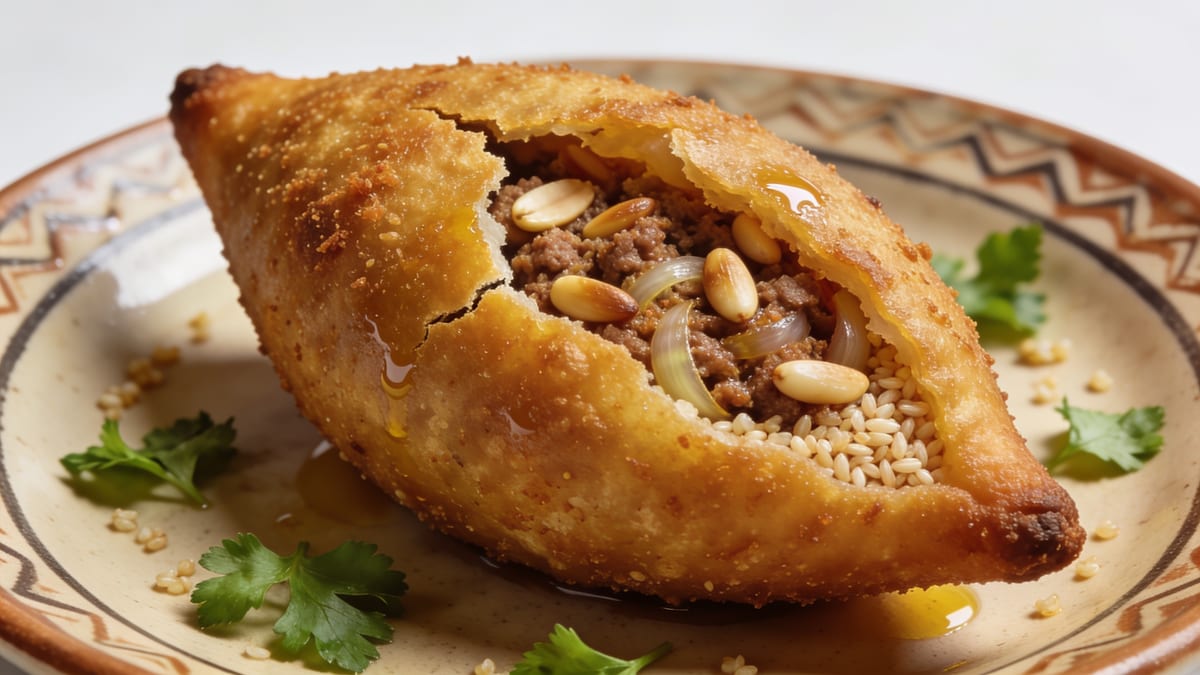
細挽きのブルグルを浸水させ、ごく赤身の牛または羊の挽き肉、すりおろした玉ねぎ、温かみのあるスパイス(シナモン、オールスパイス)とともに、なめらかで粘りのあるペーストになるまで練る——冷やしたりフードプロセッサーにかけたりすると、よりきめ細かく成形しやすくなる。詰めものは別に用意する。挽き肉を玉ねぎ、香ばしく炒った松の実、スパイスとともに炒め、コクが出てジューシーになるまで火を通す。ここからが腕の見せどころ。殻用のブルグル生地をひと玉取り、濡らした指で薄い壁の殻にくぼませ、詰めものを少し詰めて、先のとがった魚雷型に封じる。キッベ全体が深いきつね色にカリッとするまで揚げる。殻は薄く、詰めものはしっとりと保ち、殻を割らないように。
- ブルグルと肉の殻はなめらかで粘りが出るまで練り(冷やして)、まとまりやすく薄く成形できるようにする。
- スパイスの効いた肉、炒めた玉ねぎ、香ばしく炒った松の実で、コクのあるジューシーな詰めものを作る。
- 手を濡らしながら壁の薄い魚雷型に成形し、破裂しないようしっかり封じてから深いきつね色に揚げる。
Equipment
- フードプロセッサー
- ボウル
- 揚げもの用の深鍋
材料
殻
- 250 g 細挽きブルグル小麦(浸水させたもの)
- 400 g ごく赤身の牛または羊の挽き肉
- 玉ねぎ1個(すりおろす)、シナモン小さじ1、オールスパイス小さじ1、塩、こしょう
詰めもの
- 250 g 牛または羊の挽き肉
- 1 玉ねぎ(みじん切り)
- 松の実大さじ3(香ばしく炒る)、シナモン、オールスパイス、塩
- 揚げ油
作り方
- ステップ01
みじん切りの玉ねぎを油でやわらかくなるまで炒め、挽き肉を加えて焼き色がつくまで火を通し、シナモン、オールスパイス、塩、こしょうで味つけして、香ばしく炒った松の実を混ぜ込む。コクが出て、ほどよくしっとりするまで火を通し、冷ましておく。
- ステップ02
細挽きのブルグルをやわらかくなるまで浸水させ、余分な水気をしぼる。ごく赤身の挽き肉、すりおろした玉ねぎ、温かみのあるスパイスとともに、なめらかで粘りのあるペーストになるまで練る——数回に分けてフードプロセッサーにかけ、冷やすと、よりきめ細かく扱いやすい生地になる。
- ステップ03
手を濡らし、殻用ブルグルを小さくひと玉取る。指を押し込んで回しながら、壁の薄い殻にくぼませる。詰めものを少し入れ、口をつまんで閉じ、なめらかで先のとがった魚雷型に整える。手を濡らしたまま繰り返す。
- ステップ04
成形したキッベを20〜30分冷やして締める。こうすると揚げるときにまとまりやすくなる。
- ステップ05
揚げ油を熱する。キッベを数回に分けて、返しながら、全体が深いきつね色にカリッとして中まで火が通るまで、それぞれ数分揚げる。ペーパーで油を切る。ヨーグルトを添えるか、レモンをしぼって熱々でどうぞ。
Make ahead
キッベは作り置きできる究極のパーティー料理だ。あらかじめ成形して生のまま冷凍すれば(凍ったまま揚げられる)、あるいは殻のペーストと詰めものを前日に作り、必要なときに成形すればよい。成形は手間のかかる工程なので、これを前もって済ませておく——家庭では伝統的にそうするように、できれば手伝ってもらいながら——と、供するのがぐっと楽になる。熱々でカリッとさせるため、揚げるのは供する直前に。
Storage
成形して火を通していないキッベは冷凍に非常に向く——生のままトレイで凍らせてから袋に移し、食べたいときに凍ったまま(少し長めに)揚げればよい。多くの家庭が客用にこうして常備している。揚げたキッベは冷蔵で2〜3日もち、熱いオーブンで温め直すとカリッと戻る。殻のペーストと詰めものはそれぞれ前日に作って冷やしておける。火を通したキッベは、温かくカリッとした状態でいただくのが一番だ。
Variations
キッベ・ビル・サニーエ(焼き)
殻と詰めものをトレイに層にして重ね、ひし形に切り込みを入れて焼く——魚雷型に成形するよりずっと簡単。
キッベ・ナイエ(生)
最も細かいブルグルと肉のペーストを生のまま用意し、オリーブオイルとともに供する——レヴァントの珍味。
かぼちゃ/じゃがいものキッベ
ベジタリアン版は、殻に肉の代わりにかぼちゃやじゃがいもを使う。
Serve with
Nutrition per serving
Nutrition values are estimates based on the metric measurements. Adjust as needed.
よくある質問
キッベとは何ですか?
キッベはブルグル小麦と細かく挽いた肉から作るレヴァント料理で、シリアやレバノンの国民食とされることも多い一品です。最も象徴的な形は、ブルグルと肉のペーストの魚雷型の殻に、スパイスの効いた挽き肉、玉ねぎ、松の実を詰めて、カリッと揚げたものです。ただしキッベにはさまざまな形があり——トレイで焼く(ビル・サニーエ)、円盤形に成形する、ヨーグルトやスープで煮込む、さらには生で供する(ナイエ)ものもあります。中東全域で愛される祝いの料理で、数え切れないほどの地域ごとの変化形があります。
割れないようにキッベを成形するには?
肝心なのは、なめらかで粘りのある、よく練った殻のペースト(冷やして細かく挽くとよい)と、濡らした手です。作業中はこまめに手を水にひたし、ペーストがくっついたり乾いて割れたりしないようにします。指を回して殻をくぼませ、壁を薄く均一に保ち、詰めすぎず、口をしっかりつまんで閉じ、割れは濡らした指でならします。成形したキッベを揚げる前に冷やすのも、まとまりを保つのに役立ちます。慣れが必要ですが——多少いびつなキッベでも十分おいしいものです。
揚げる代わりに焼くことはできますか?
はい——キッベ・ビル・サニーエは人気があり、ずっと簡単な焼き版です。ブルグルの殻の生地を半分、油を塗ったトレイに敷き詰め、その上に詰めものを広げ、残りの殻をのせ、ひし形に切り込みを入れ、油かギーをかけてきつね色になるまで焼きます。一つひとつの魚雷型を成形して揚げる手間なしに、風味はすべて楽しめます。成形したキッベをエアフライヤーで焼けば、より軽く仕上がりますが、殻を最もカリッとさせるのはやはり揚げる方法です。
キッベに伝統的な肉は何ですか?
羊肉が最も伝統的ですが、牛肉(または羊と牛の合いびき)もごく一般的で広く使われています。殻には、ブルグルとなめらかにまとまるよう、細かく挽いたごく赤身の肉を使います。詰めものにはジューシーさのためやや脂の多い挽き肉を使い、玉ねぎ、温かみのあるスパイス、香ばしく炒った松の実とともに火を通します。地域によっては、コクのために詰めものに少量の挽いた肉の脂を加えます。殻に肉の代わりにかぼちゃやじゃがいもを使う、ベジタリアンのキッベもあります。
細挽きブルグルとは何ですか、代わりになるものはありますか?
細挽きブルグル(No.1グレード)は、パーボイルして乾燥させ、細かく砕いた小麦です——粒が小さく、すぐに戻って、キッベの殻用のなめらかなペーストにまとまります。食感に欠かせないので、中東系の店で細挽きグレードを買う価値があります(粗挽きのブルグルではなめらかな殻になりません)。やわらかくなるまで浸水させ、練る前に水気をしぼります。完璧な代用品はなく、本格的なキッベのために最も手に入れる価値のある材料が、この細挽きブルグルです。
Cooked this? Rate it.
Real ratings from real cooks. We only show a score once enough of you have weighed in — no fabricated stars.