#shareable
22 viral recipes tagged #shareable.
-
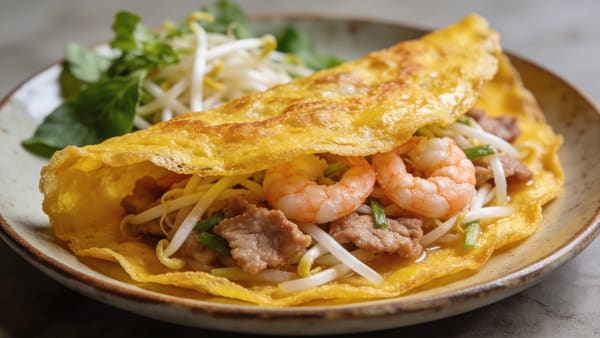
Bánh Xèo — crêpes croustillantes vietnamiennes
Vietnam's sizzling crêpe (the name means 'sizzle cake'): a crisp, golden, turmeric-yellow rice-flour pancake made shatteringly thin and filled with pork, prawns and bean sprouts. You tear off pieces, wrap them with herbs and lettuce, and dip in nuoc cham — a hands-on, fresh-and-crunchy feast that's naturally gluten- and dairy-free.
vietnamesegluten-freestreet-food -
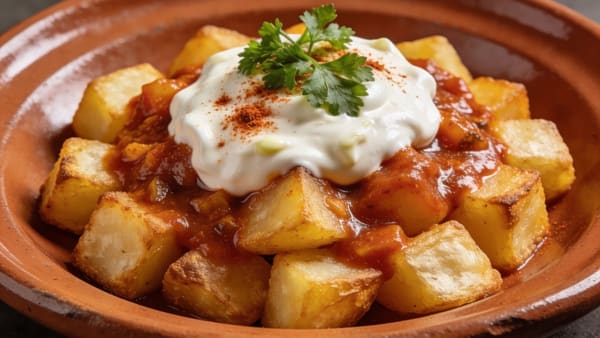
Patatas Bravas — pommes de terre épicées espagnoles
Spain's favourite tapa: crisp golden potato cubes topped with a smoky, spicy brava sauce (and often a cool garlic aioli). Crunchy outside, fluffy within, with a paprika-warm kick — they're on every bar table in Madrid. Simple, vegetarian and made for sharing with a cold drink.
spanishvegetariantapas -
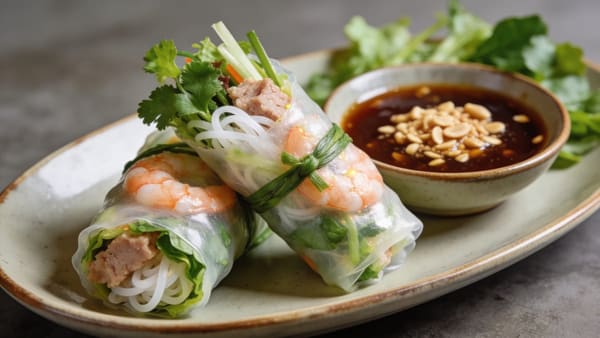
Gỏi Cuốn — rouleaux de printemps frais vietnamiens
Vietnam's fresh (unfried) spring rolls: prawns, pork, rice vermicelli and a bundle of herbs wrapped in soft, translucent rice paper, served cool with a rich peanut-hoisin dip. Light, fresh and pretty — the herbs glowing through the wrapper — and naturally gluten-free. Once you get the hang of rolling, they're quick and endlessly customisable.
vietnamesegluten-freeno-cook-wrap -
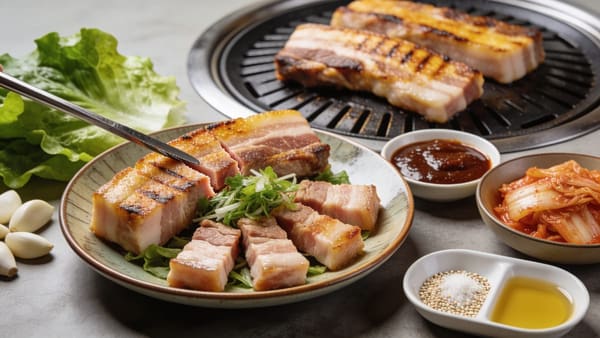
Samgyeopsal — poitrine de porc grillée coréenne
Korea's beloved tabletop barbecue: thick slices of pork belly grilled at the table until crisp and golden, then snipped into pieces and wrapped in lettuce with garlic, ssamjang, kimchi and a smear of sesame-salt-and-oil. No marinade needed — it's all about the sizzle, the communal grill and building the perfect ssam (wrap) in your hand. Pure, interactive comfort.
koreanporkgrill -
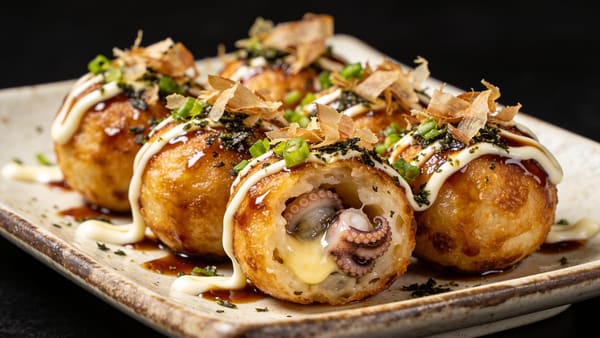
Takoyaki — boulettes de poulpe japonaises
Osaka's most famous street snack: a savoury batter cooked in a special dimpled pan, each ball hiding a nugget of octopus, then turned with picks into crisp-outside, molten-inside spheres. Brushed with takoyaki sauce and Japanese mayo, showered with aonori and dancing bonito flakes, takoyaki is hot, gooey, theatrical fun — best eaten straight off the griddle (and blown on first).
japanesestreet-foodsnack -
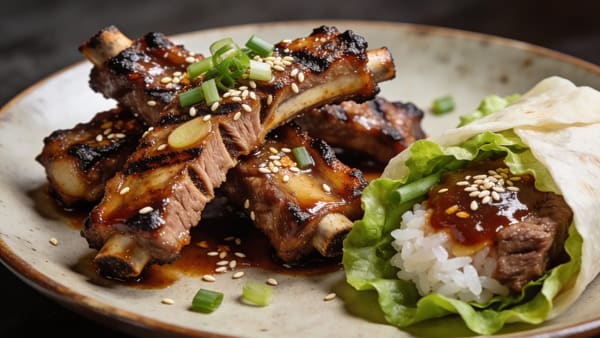
Galbi — travers de bœuf marinés grillés coréens
The sweet-savoury star of Korean barbecue: beef short ribs marinated in a glossy sauce of soy, garlic, sesame, pear and sugar, then grilled fast and hot until caramelised at the edges. Whether cut LA-style across the bones or butterflied off them, galbi is tender, fragrant and built for wrapping in lettuce with rice and ssamjang. The grated pear is the secret — it tenderises and sweetens at once.
koreanbeefgrill -
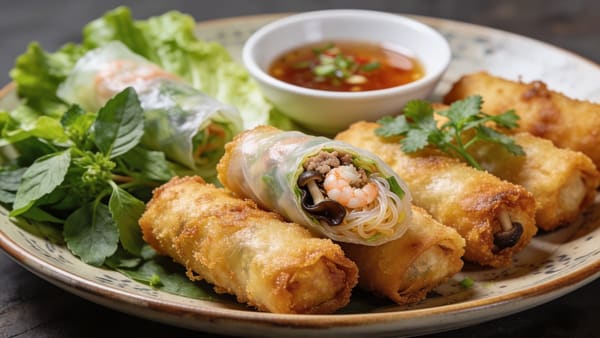
Chả Giò — nems vietnamiens (rouleaux frits)
Vietnam's crackling fried spring rolls: a savoury filling of pork, shrimp, wood-ear mushroom and glass noodles wrapped in rice paper and fried until shatteringly crisp and golden. Served with herbs and lettuce to wrap and a bowl of nước chấm for dipping, chả giò (nem rán in the north) is the celebratory roll found at every Vietnamese feast — crunchy outside, juicy inside.
vietnamesefriedpork -
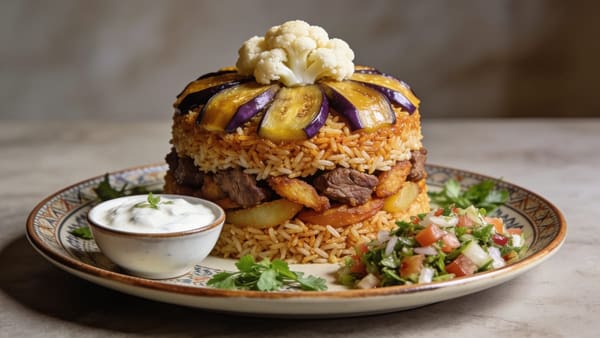
Maqluba — riz renversé levantin
The showstopper of Palestinian and Levantine tables: layers of meat, fried vegetables and spiced rice cooked in one pot, then dramatically flipped upside-down onto a platter so it stands like a cake. 'Maqluba' literally means 'upside-down', and the moment of the flip — revealing golden aubergine and cauliflower crowning the rice — is the whole point. Served with cool yogurt and a chopped salad.
levantinepalestinianrice -
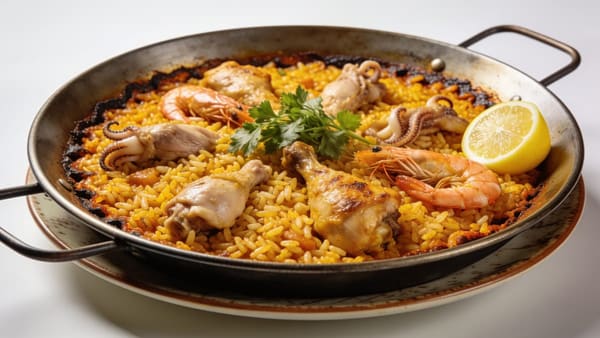
Paella — riz safrané espagnol
Spain's great communal rice, cooked in a wide shallow pan over a wide flame: short-grain rice simmered in saffron stock with chicken and rabbit (the Valencian original) or seafood, never stirred, until the grains are al dente and a prized caramelised crust — the socarrat — forms on the bottom. Paella is a Sunday ritual and a celebration dish, finished with a squeeze of lemon and eaten straight from the pan.
spanishriceshareable -
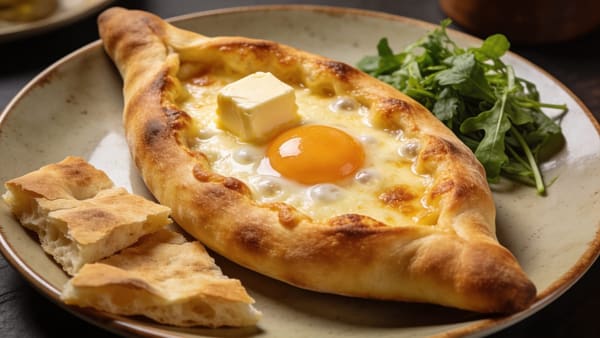
Khatchapouri adjarien — barque de pain au fromage géorgienne
Georgia's irresistible cheese bread, in its showstopping Adjaran form: a boat of soft yeasted dough filled with molten salty cheese, baked until golden, then crowned with a raw egg yolk and a knob of butter that you swirl into the bubbling cheese at the table. You tear off the crusty ends and dip them into the rich, gooey centre. Pure indulgence — and the most photogenic bread in the Caucasus.
georgiancheesebaking -
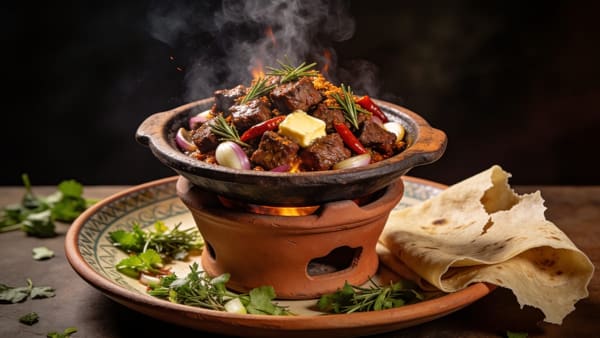
Tibs — bœuf sauté éthiopien
The sizzling centrepiece of an Ethiopian meal: cubes of beef or lamb seared hard and fast with onion, garlic, rosemary, chilli and warm spiced butter until just done and gloriously fragrant. Tibs is celebration food — quick, smoky and deeply savoury — often brought to the table still spitting on a clay brazier, scooped up with torn injera. From mild to fiery, it's the dish that defines a feast.
ethiopianbeefquick -
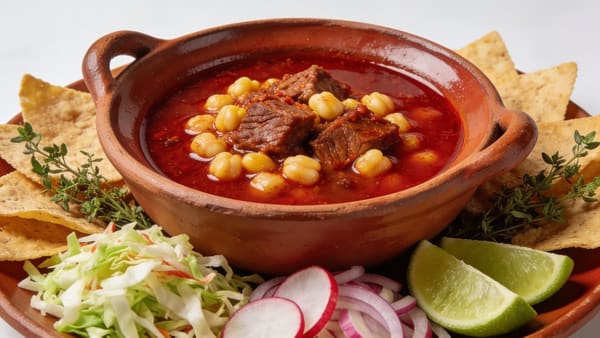
Pozole rojo — soupe mexicaine au maïs hominy et au porc
Mexico's great celebration soup: a deep red, chile-rich pork broth swimming with nubbly hominy corn, simmered for hours and brought to life at the table with a riot of crunchy garnishes — shredded cabbage, radish, onion, lime, oregano and crisp tostadas. Pozole rojo is fiesta food, served at birthdays, holidays and Mexican Independence Day, where the build-your-own bowl is half the joy.
mexicanporksoup -
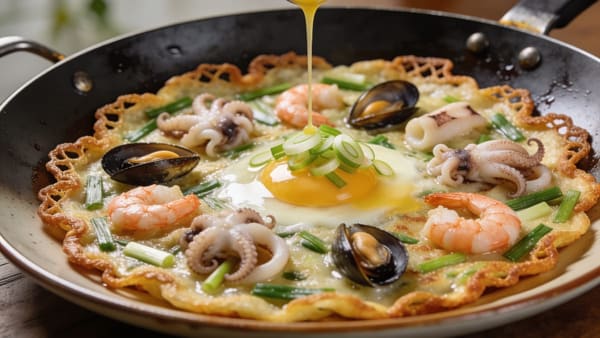
Haemul pajeon — galette coréenne aux fruits de mer et ciboule
Korea's beloved savoury pancake: a batter laced with whole scallions and loaded with seafood — squid, shrimp, mussels — fried until the edges are lacy and crisp and the middle stays tender, with an egg often poured over to set it. Haemul pajeon is rainy-day comfort and the classic partner to makgeolli (rice wine), torn into shares and dipped in a tangy soy-vinegar sauce. The trick is a hot, well-oiled pan for crisp edges.
koreanseafoodfried -
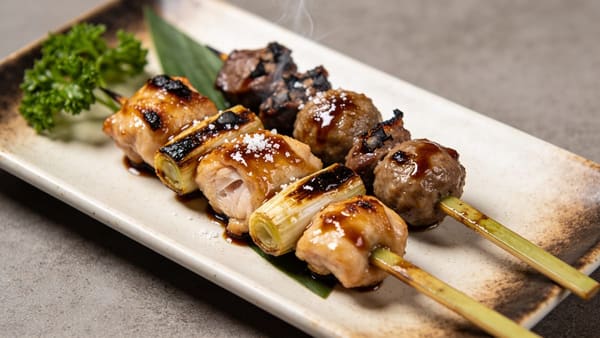
Yakitori — brochettes de poulet grillées japonaises
Japan's beloved izakaya skewer: bite-size pieces of chicken (and every part of it — thigh, skin, meatball, liver) threaded onto bamboo and grilled over hot coals, brushed with a glossy sweet-savoury tare glaze or simply seasoned with salt. Yakitori is smoky, charred-at-the-edges, and made for sharing over cold beer. The magic is high, direct heat, repeated dips in the tare, and not overcooking the juicy thigh.
japanesechickengrill -
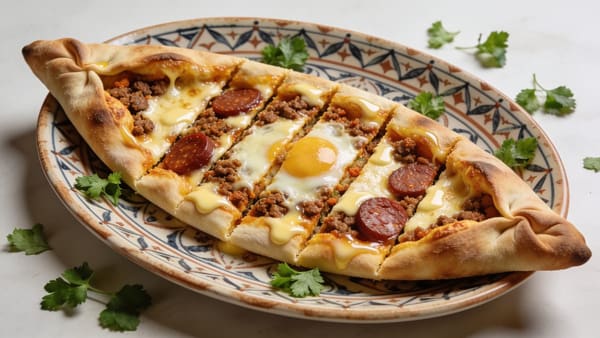
Pide — pain plat turc en forme de barque
Often called 'Turkish pizza', pide is a canoe-shaped flatbread with a chewy, hand-stretched base and folded, pinched edges that cradle a savoury topping — molten cheese, spiced minced meat (kıyma), sucuk and egg, or vegetables — baked in a hot oven until the crust is crisp and golden and the filling bubbling. Brushed with butter as it comes out and cut into strips, pide is a beloved staple of Turkish bakeries and a favourite during Ramadan, eaten hot and hand-held.
turkishbakingbread -
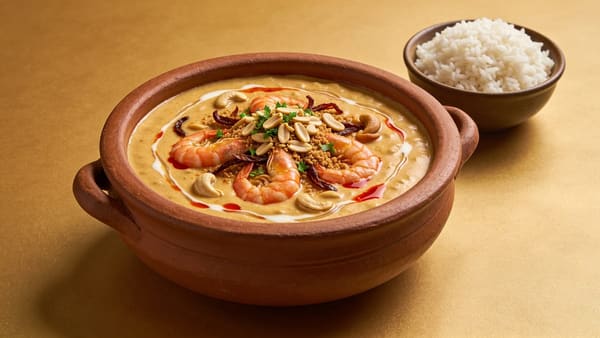
Vatapá — crème bahianaise de crevettes, pain et coco
A rich, velvety icon of Afro-Brazilian Bahian cuisine: a thick, savoury purée of bread soaked and blended with coconut milk, dried and fresh shrimp, ground peanuts and cashews, and dendê (red palm oil), seasoned with ginger and herbs. Vatapá is luxurious and creamy with a gentle warmth, served as a dish in its own right with rice, or — most famously — as the filling for acarajé and abará. Its African and Indigenous roots make it one of the soul dishes of Salvador.
brazilianseafoodcoconut -
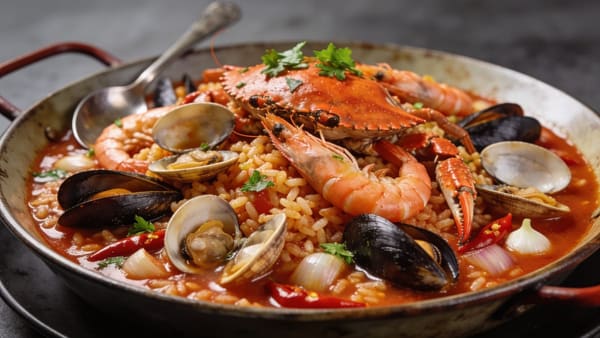
Arroz de marisco — riz aux fruits de mer portugais
Portugal's exuberant seafood rice — soupy, saffron-less but vivid, and piled with shellfish. Unlike a dry paella, arroz de marisco is 'caldoso' (brothy), the rice cooked in a deeply flavoured tomato, onion, garlic and coriander base enriched with shellfish stock until loose and spoonable, then crowded with prawns, clams, mussels and often crab. A shake of piri-piri brings gentle heat. Served straight from the pot with the seafood spilling over, it's the taste of the Portuguese coast and a generous dish made for sharing.
portugueseseafoodrice -
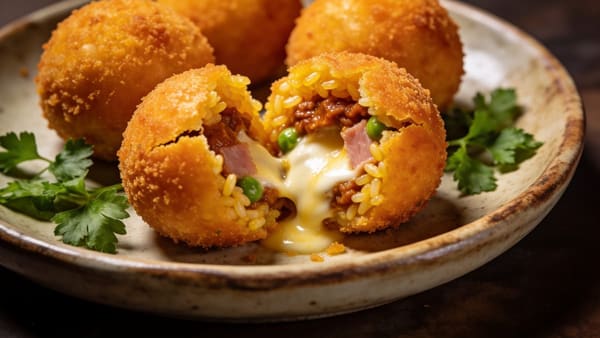
Arancini — boulettes de riz farcies et frites siciliennes
Sicily's golden street-food jewels: balls of saffron risotto-style rice wrapped around a molten filling — classically a ragù of meat and peas with mozzarella, or ham and cheese — then crumbed and deep-fried until crisp and deep gold. Their name means 'little oranges', for their colour and shape. Crack the crunchy shell and the rice gives way to a savoury, cheesy, sometimes oozing centre. Found in every Sicilian bar and bakery, arancini are the perfect way to transform rice into something irresistible — crisp outside, creamy and rich within.
italiansicilianrice -
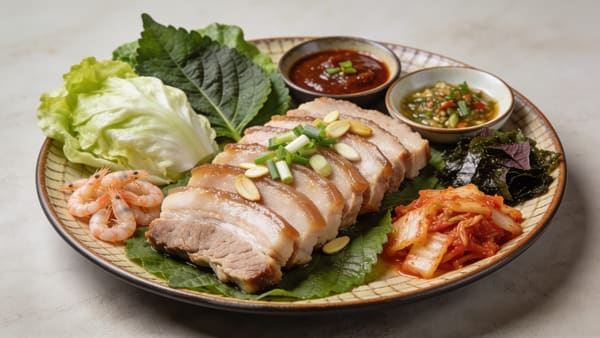
Bossam — poitrine de porc bouillie à envelopper coréenne
A celebrated Korean dish of pork belly gently boiled with aromatics — doenjang, ginger, garlic, scallion, sometimes coffee or onion — until meltingly tender, then sliced and served to be wrapped at the table. You take a leaf of napa cabbage or perilla, lay in a slice of warm pork, a dab of pungent ssamjang or salted shrimp (saeujeotgal), a piece of spicy radish salad or fresh kimchi, and eat the whole bundle in one bite. Lean yet luscious, savoury and fresh all at once, bossam is festive, communal food — the centrepiece of gatherings and traditionally made during kimchi-making season (kimjang).
koreanporkboiled -
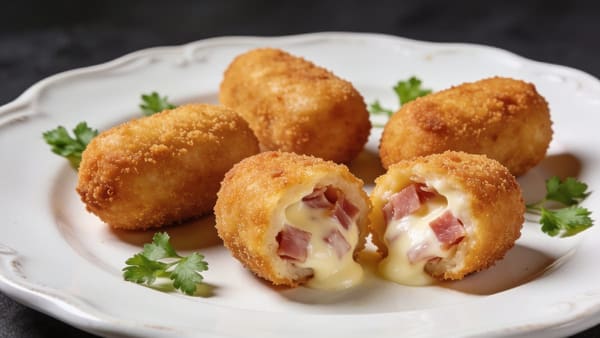
Croquetas — croquettes espagnoles au jambon
The most beloved of Spanish tapas and the ultimate use for leftovers: a thick, creamy béchamel studded with finely chopped jamón (or chicken, salt cod, mushrooms), chilled until firm, then shaped, crumbed and fried into crisp golden nuggets with a molten, savoury centre. Croquetas are a fixture of every bar and every abuela's kitchen, fiercely debated and lovingly perfected. The contrast is everything — shatteringly crisp shell, silky-soft inside that almost flows. They take patience and a cold rest, but a good croqueta is one of the small perfect pleasures of Spanish food.
spanishtapasfried -
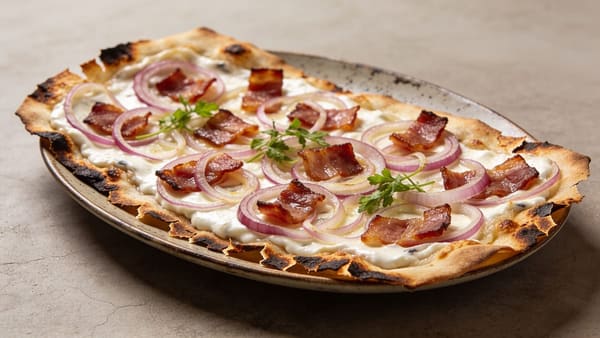
Flammkuchen — tarte flambée alsacienne
The crackly-thin tart of the German-French Rhine borderland (Alsace and Baden): a paper-thin, unleavened dough spread with crème fraîche (or fromage blanc), scattered with thinly sliced onion and smoky lardons, and blasted in a hot oven until the edges char and the base turns shatteringly crisp. Its name means 'flame cake' — it was baked to test the bread oven's heat. Light, smoky and savoury, Flammkuchen (tarte flambée in French) is eaten in squares with the fingers, often as a sociable starter, and it comes together far faster and lighter than any pizza.
germanalsatianthin-crust -
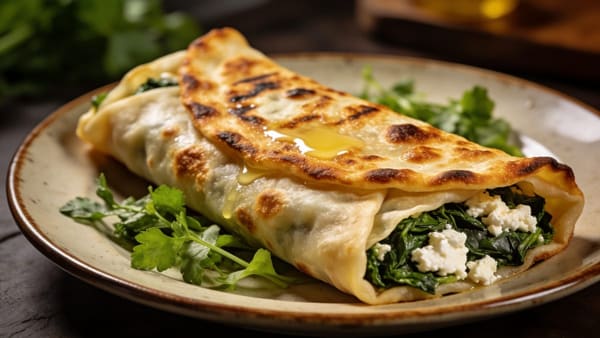
Gözleme — galette farcie turque cuite à la plaque
The hand-rolled stuffed flatbread of Turkey, a beloved street and village food: a simple dough rolled paper-thin into large rounds, filled with spinach and crumbly white cheese (or spiced minced meat, or potato), folded into a parcel and cooked on a hot griddle (sac) brushed with butter until golden, blistered and crisp at the edges. You see it made by hand at markets and roadside stalls all over Turkey, often by women at a low table. Gözleme is thin, savoury and satisfying, folded and eaten warm — humble, fast and irresistible, especially with a glass of çay.
turkishflatbreadvegetarian-option